The grand-illusion show
About ninety minutes of large-scale illusions, sleight of hand and comedy with audience participation, for all ages; food and drink are not included.
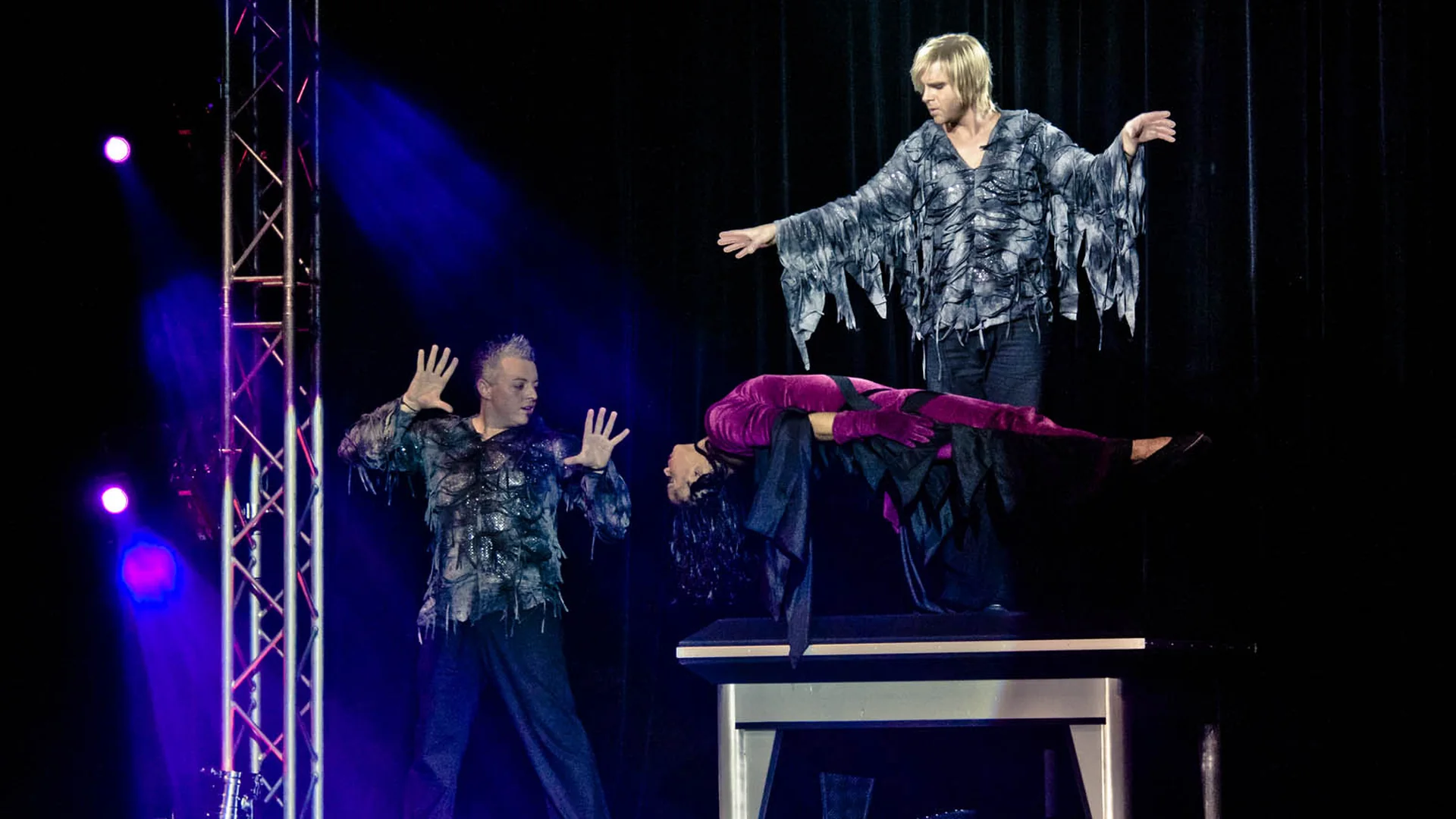
Broadway at the Beach · Myrtle Beach
A Las Vegas-style illusionist stages ninety minutes of large-scale magic and comedy in a theatre at Broadway at the Beach.
Every seat is close to the stage, and the all-ages show fills in summer.
Worth a night? The short version
Yes, if you want a polished stage show rather than a magician at your table. The ticket buys about ninety minutes of large-scale illusions, comedy and audience participation in a compact theatre inside a busy shopping and entertainment complex, and children are welcome. Meals are your own affair, and the theatre can take a little finding. It suits families, couples and anyone after a dry indoor evening off the beach at a mid-range theatre price.
A theatre production built around grand illusions: big props, assistants, costumes, visual effects and jokes, performed close enough that you can follow every move and still not see how it was done. The theatre bills it as a Las Vegas-style show, and members of the audience are pulled into some of the routines.
It is not close-up card magic at a table, not a dinner show and not an adults-only comedy club set. The seat is all you buy, and the running order belongs to the production, so no page can promise a particular illusion on your night.
The illusionist's repertoire
Stage illusionists draw on a shared stock of effects that is well over a century old. Which of them this production uses, and how, is its own business and changes, so treat the list below as the family tree rather than a running order.
The float
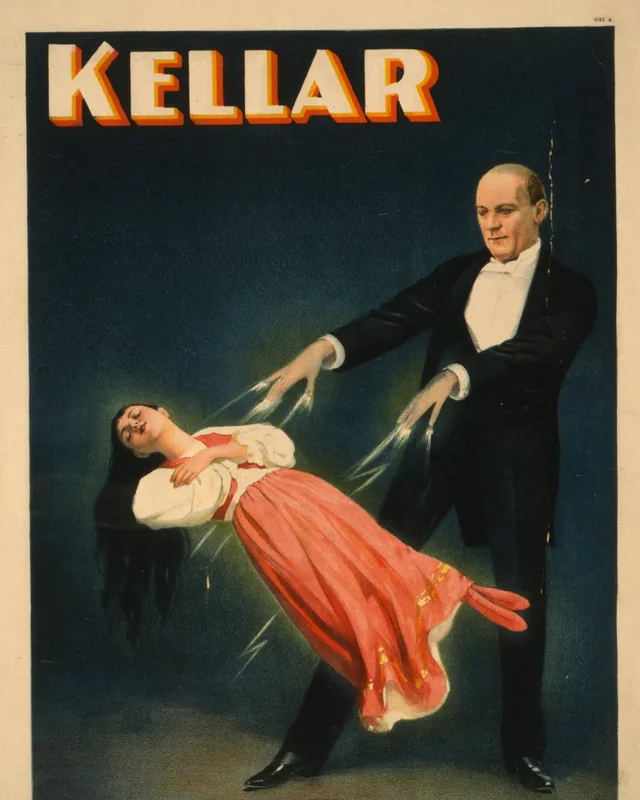
A person or object appears to rise and hang in the air. The Asrah version, in which a covered assistant floats and then vanishes, is credited to Servais Le Roy, who first performed it with his wife in 1902. The American magician Harry Kellar floated an assistant he introduced as a princess and passed a hoop along her body to show that nothing held her up.
Harry Kellar's levitation on one of his posters
The cut
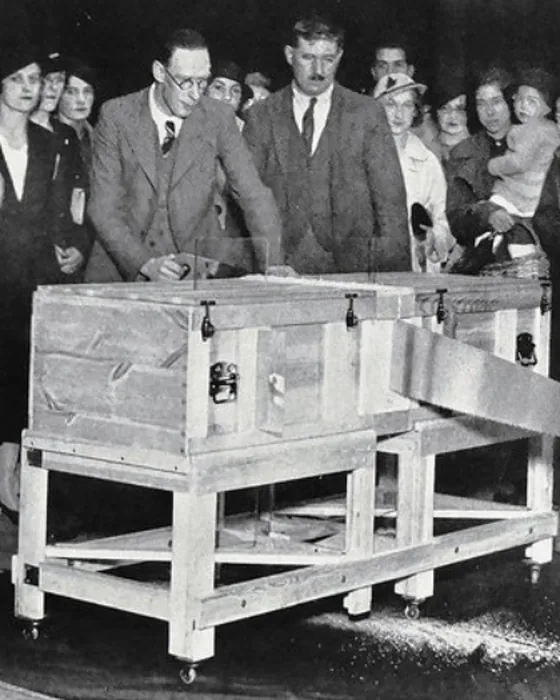
P. T. Selbit's Sawing Through A Woman, shown to the public on 17 January 1921 at the Finsbury Park Empire in London, kept his assistant out of sight inside a closed crate. Later in 1921 Horace Goldin, a magician working in the United States, presented the version modern audiences picture, with head, hands and feet showing outside the box.
P. T. Selbit's crate version of the sawing illusion
Now you see it
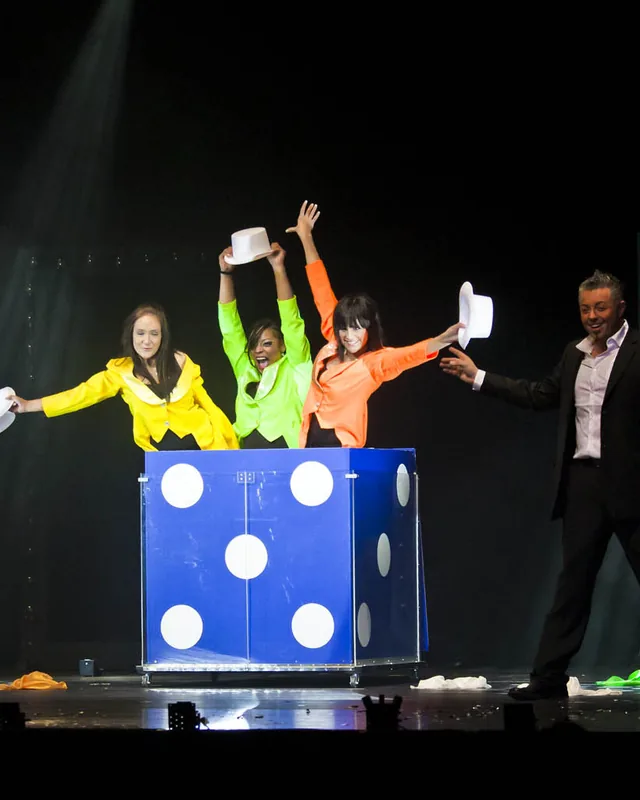
Making something disappear, or arrive from nowhere, sits among the basic effects of magic alongside transformations, restorations and objects that pass through one another. On a stage it grows: an empty cabinet that fills with people, a cloth whipped away from where someone stood. Modern performers have vanished objects as large as the Statue of Liberty.
An appearance from a giant die on a modern stage
The swap
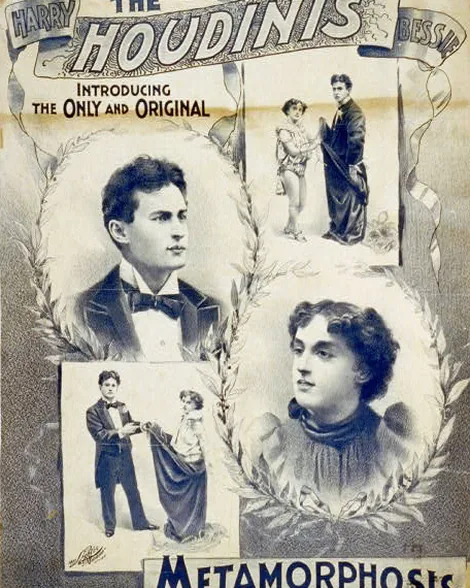
Magicians call it Metamorphosis or the sub trunk. An assistant is locked in a trunk, the magician climbs on top and raises a curtain, and when it drops the two have changed places. John Nevil Maskelyne invented it, but it is most associated with Harry Houdini, who performed it with his wife Bess as the one locked inside.
A Houdinis poster billing Metamorphosis
The way out
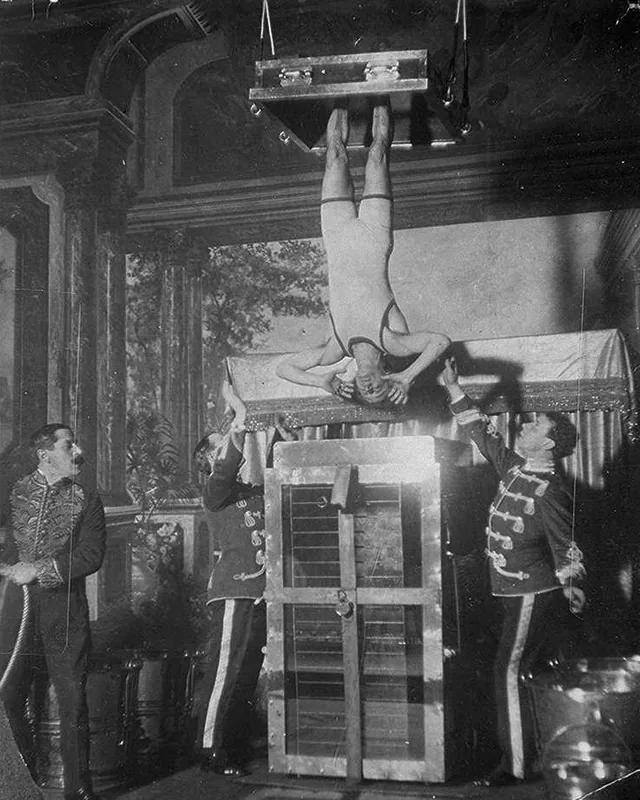
Escape artistry means wriggling free of handcuffs, straitjackets, chains, crates and tanks of water. Harry Houdini did most to turn it into an entertainment of its own, and his Chinese Water Torture Cell, in which he hung upside down in a locked tank, was at heart a classic stage illusion resting on a cleverly designed prop.
Houdini over the Water Torture Cell
The cabinet
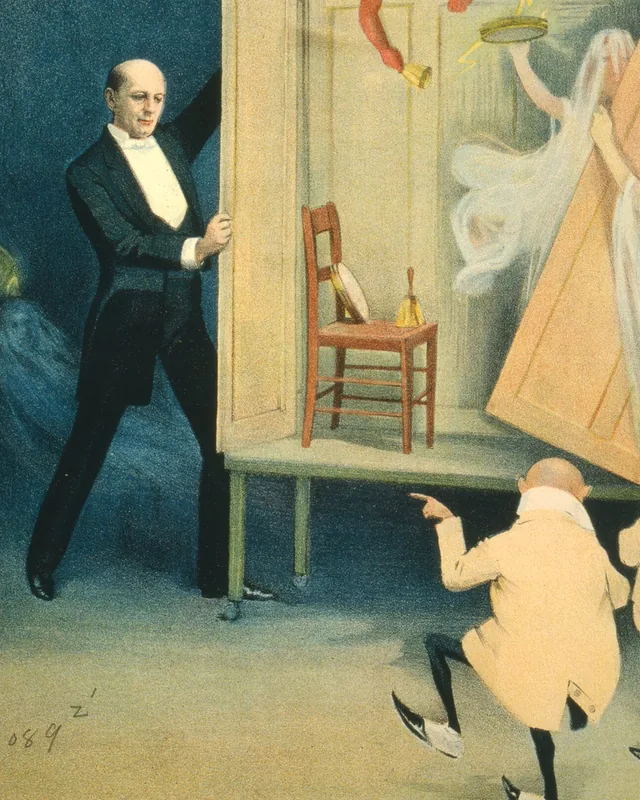
In the 1860s the Davenport Brothers freed themselves from rope ties inside a cabinet to stage what they presented as spirit phenomena. Illusionists including John Nevil Maskelyne worked out the method and re-created the effects as feats of skill rather than spirits. It took another thirty years before escaping was shown openly as an act in its own right.
Cabinet mysteries on a Kellar poster
Drawn from English Wikipedia's pages on levitation (illusion), sawing a woman in half, Metamorphosis (illusion), escapology and magic (illusion).

From the car to the curtain call
Start times move by date and appear on your confirmation. Around those ninety minutes, the night tends to run like this.
Earlier
The ticket is a seat, not a meal. The complex around the theatre is full of restaurants, bars and snack counters, so most families eat before the show or wander out to dinner once it ends.
Arriving
The complex is large and split into themed districts, and some visitors have struggled to find the theatre door. Leave spare minutes, open the map link in your booking, and head for the theatre rather than following the crowds.
Seated
It is a compact house. Every illusion happens just feet from the front row, and that closeness is the whole idea: the big props are right there in front of you, not across an arena.
The show
Grand illusions alternate with sleight of hand, costume changes, visual effects and a steady run of jokes. The pace is quick and the tone is family-friendly, so younger children tend to stay with it.
On stage
Audience participation is part of the format, and guests describe children and relatives being brought up to help. Sit nearer the aisle if someone in your party is keen, further in if you would rather just watch.
After
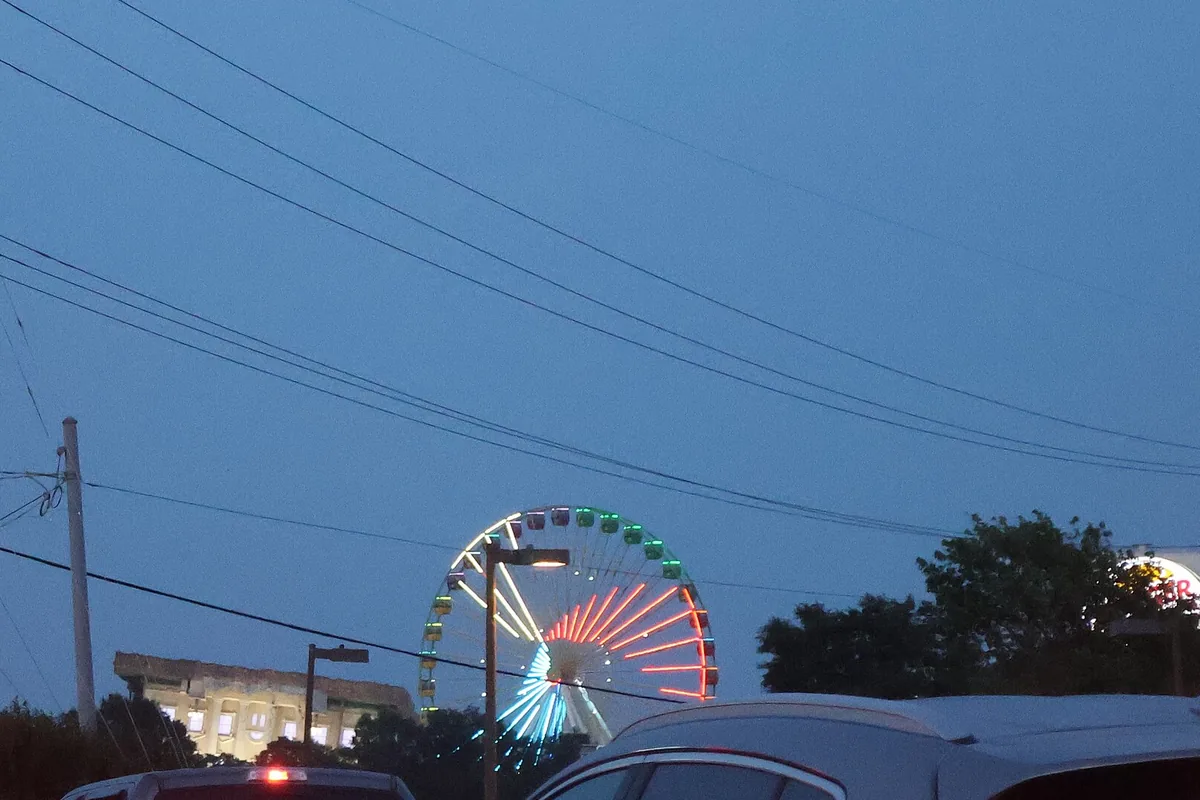
When the house lights come up you are back inside the complex, with the lake, the shops and the observation wheel lit for the evening. It is an easy place to walk off the show before the drive back along the Strand.
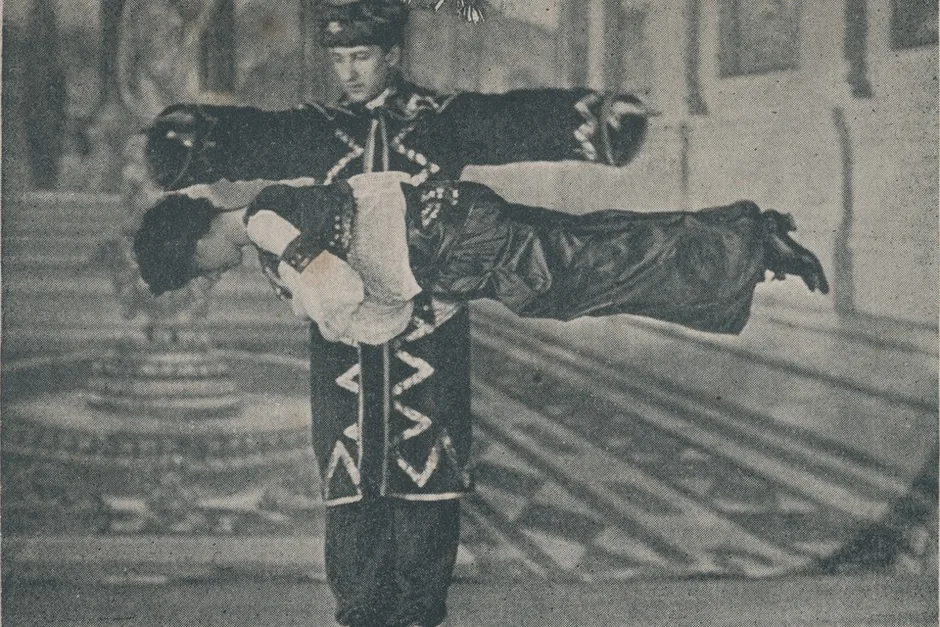
A short history of the big illusion
The style of show staged here has a long pedigree. The dates below come from the English Wikipedia articles on the magicians and theatres named.
1584
Reginald Scot's The Discoverie of Witchcraft, one of the earliest books to explain magic secrets, showed how sleight-of-hand tricks with rope, paper and coins were really done, to prove that conjurors used no supernatural powers.
1845
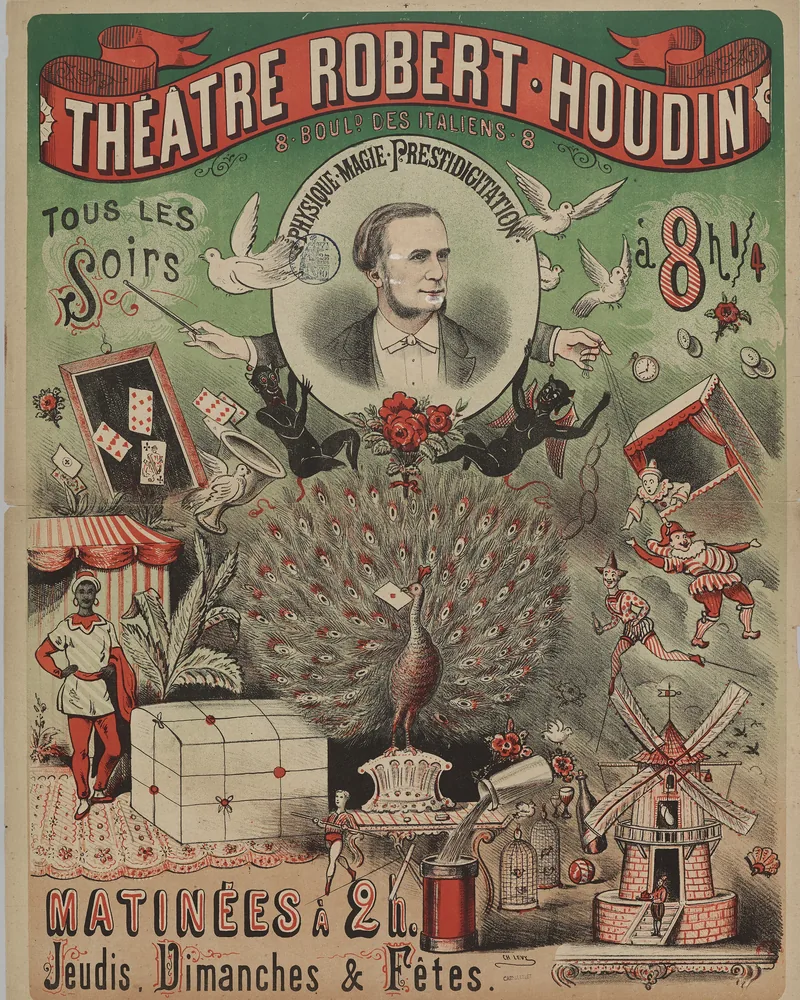
Jean-Eugène Robert-Houdin, trained in clocks and watches, gave Paris its own magic theatre in 1845, taking conjuring off the fairground circuit and onto a stage with paying seats. The tailcoat many magicians still wear traces back to him.
1873
John Nevil Maskelyne and his partner Cooke settled at the Egyptian Hall in London in 1873 and stayed for 31 years. Their stage hid mechanisms and assistants, and many illusions they invented, levitation among them, are still performed.
Golden Age
Around 1900, Howard Thurston, Harry Kellar and Harry Houdini filled theatres, and magic acts were everyday fare on Broadway, in vaudeville houses and in British music halls.
1921
P. T. Selbit's sawing illusion reached the public in London in January 1921, Horace Goldin's American version followed the same year, and more and more magicians copied or improved on them.
Las Vegas
Siegfried & Roy were invited to perform in Las Vegas in 1967 and from 1990 headlined at The Mirage, while Lance Burton gave more than 15,000 shows in the city before retiring in 2010. Large props, assistants and showmanship: that is the tradition a Las Vegas-style billing points to.
Two nights, one theatre
| The magic show | The hypnosis show | |
|---|---|---|
| Running time | About 90 minutes | About 75 minutes |
| Who can go | All ages | Adults only, not for under-18s |
| What happens | Grand illusions, sleight of hand and comedy | Volunteers hypnotised on stage, played for laughs |
| Your part | Some audience participation | The volunteers are the show |
| Reviews so far | Close to a hundred, very warm | Only a small number |
| Booking terms | Refund if cancelled a day ahead; pay later | Refund if cancelled a day ahead; pay later |
Inside the house
What you can pin down before you go, with every claim tied to whoever makes it.
Coast, marsh and river
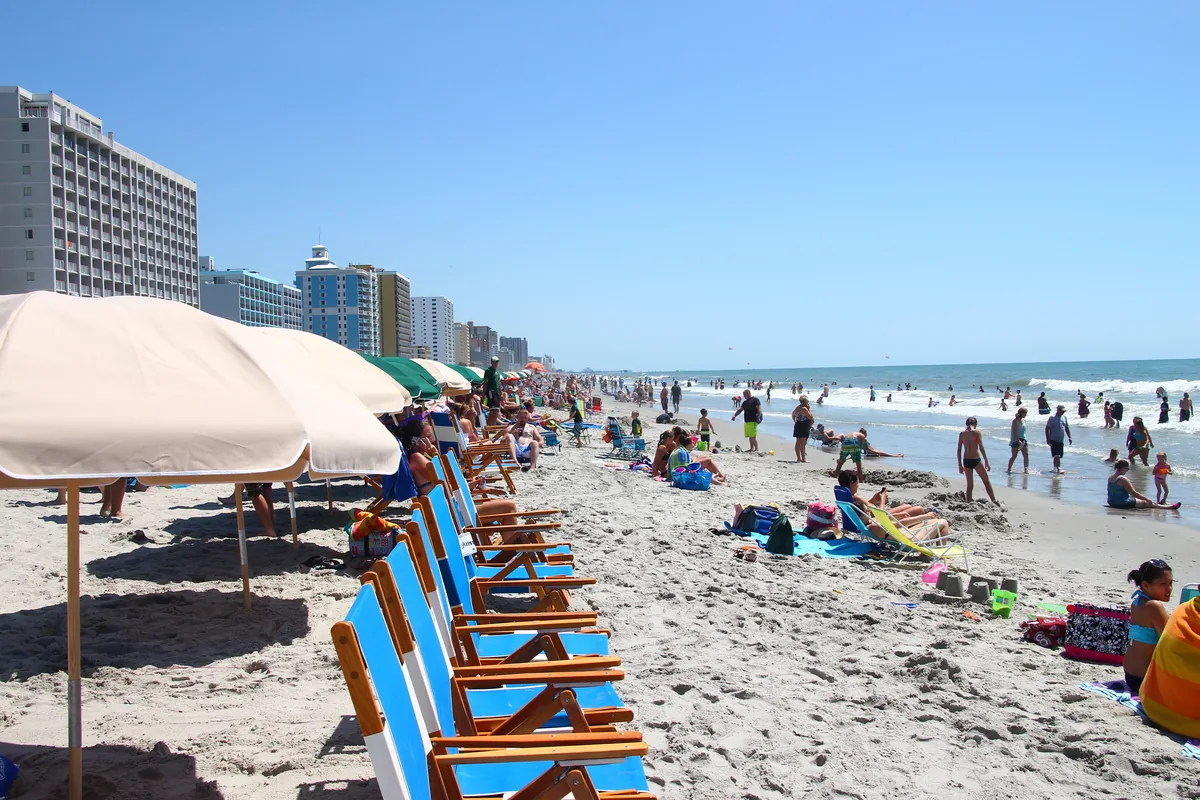
The beach, the marsh and the river that fill the days around a show night, and the road in at dusk.


Seats for the show, then the rest of the trip
The illusion show comes first. Beside it sit the adults-only hypnosis night at the same theatre, which this page weighs against it, a dolphin-watch cruise out of Murrells Inlet and a guided paddle on the Waccamaw River.
About ninety minutes of large-scale illusions, sleight of hand and comedy with audience participation, for all ages; food and drink are not included.
Seventy-five minutes at the same theatre in which volunteers from the audience are hypnotised on stage for laughs; not for under-18s.
Ninety minutes through the inlet and out past the jetties on a narrated boat with a hydrophone to listen for dolphins; sightings are never guaranteed, and mornings tend to bring calmer water.
Two hours paddling behind a guide down the river and around a private island, with a stop ashore; equipment is included and children under eight cannot join.
More around Myrtle Beach and the Grand Strand
Logistics for a show night on the Strand
Most visitors drive. Set your navigation for the complex rather than a street address, then follow the map link in your booking to the theatre itself.
Taxis and rideshares can drop you at the complex; from there it is a walk through the districts to the theatre door.
The show welcomes all ages. Choose the number of tickets in the booking calendar and the total for your party appears before you pay.
Summer holidays are the busy season on the Grand Strand, and evening shows fill first then. Book a few days ahead, or hold a free-cancellation booking while you watch the forecast.
The theatre is wheelchair accessible. If you need an aisle seat or space for a chair, mention it when you arrive.
A day's notice is all a refund needs, so the show doubles as a rainy-night backup worth holding.
Read up before the curtain
FAQ
Yes, for a polished, family-friendly stage show. You get about ninety minutes of large-scale illusions, sleight of hand and comedy, performed a few feet from the audience, with volunteers pulled on stage. Food and drink are extra, and the theatre takes some finding inside its complex.
About ninety minutes. Curtain-up varies by date and is on your confirmation.
Yes. It is billed as an all-ages family show, and guests describe children among the volunteers invited on stage.
No. You buy a seat and that is all; the complex's restaurants and snack counters take care of the rest.
A stage show. Expect large illusions with props and assistants, plus sleight of hand and comedy, all performed just feet from the seats.
In the big shops-and-attractions complex at the centre of Myrtle Beach, next to a chain restaurant. Use the map link in your booking; first-time visitors sometimes take a while to find the door.
Yes. Pull out at least a day before curtain-up and GetYourGuide returns the whole amount; you can also hold seats unpaid for now.
Yes. It is wheelchair accessible; tell staff about any seating needs when you arrive.
The hypnosis show is shorter, at about 75 minutes, is for adults only and is built around volunteers under hypnosis. The magic show is for all ages and centres on illusions.
No. Wonders Theatre Magic Guide is an independent guide, run apart from the theatre, the production and the performer and not affiliated with any of them. Every booking you make from this guide goes through GetYourGuide.